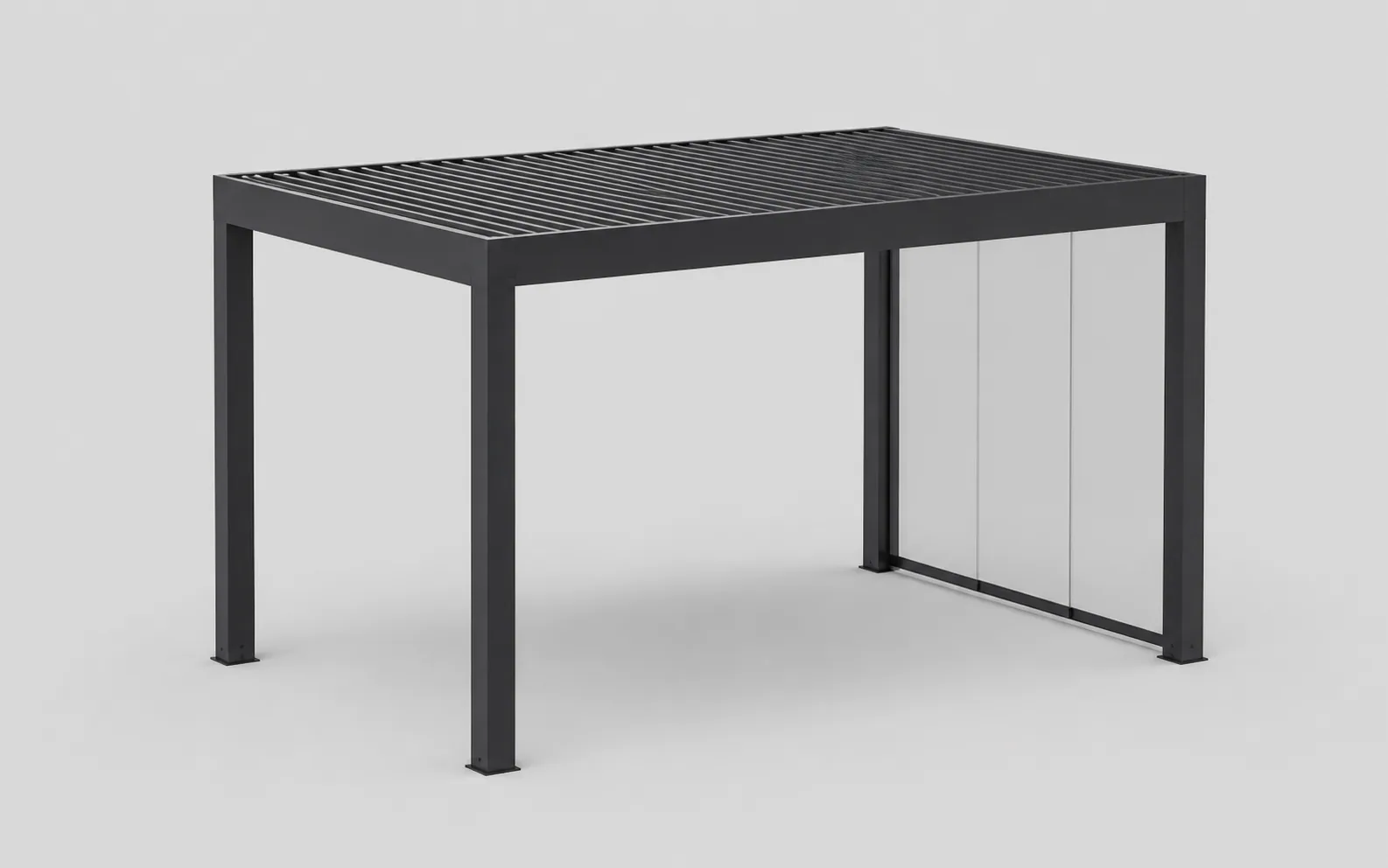
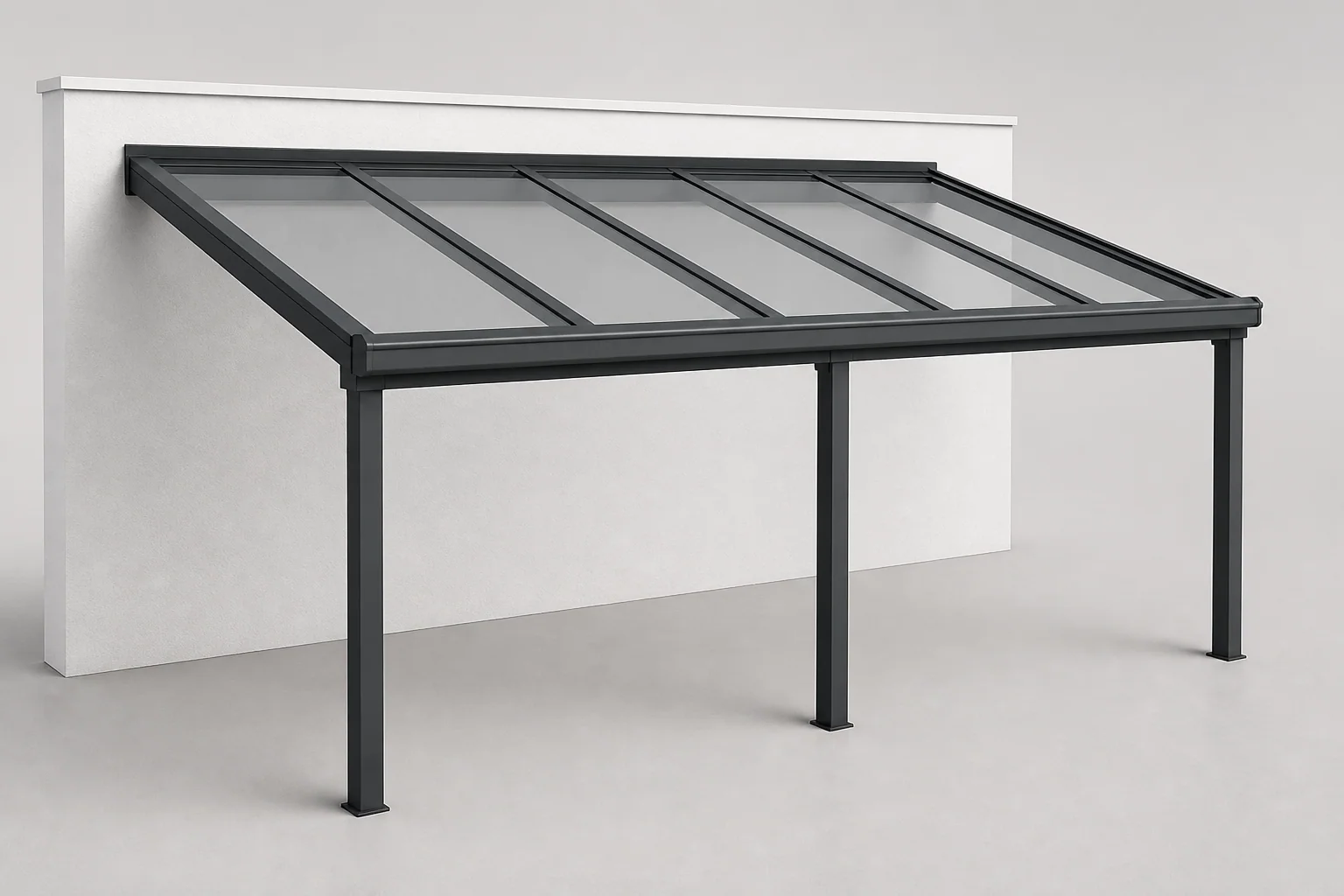
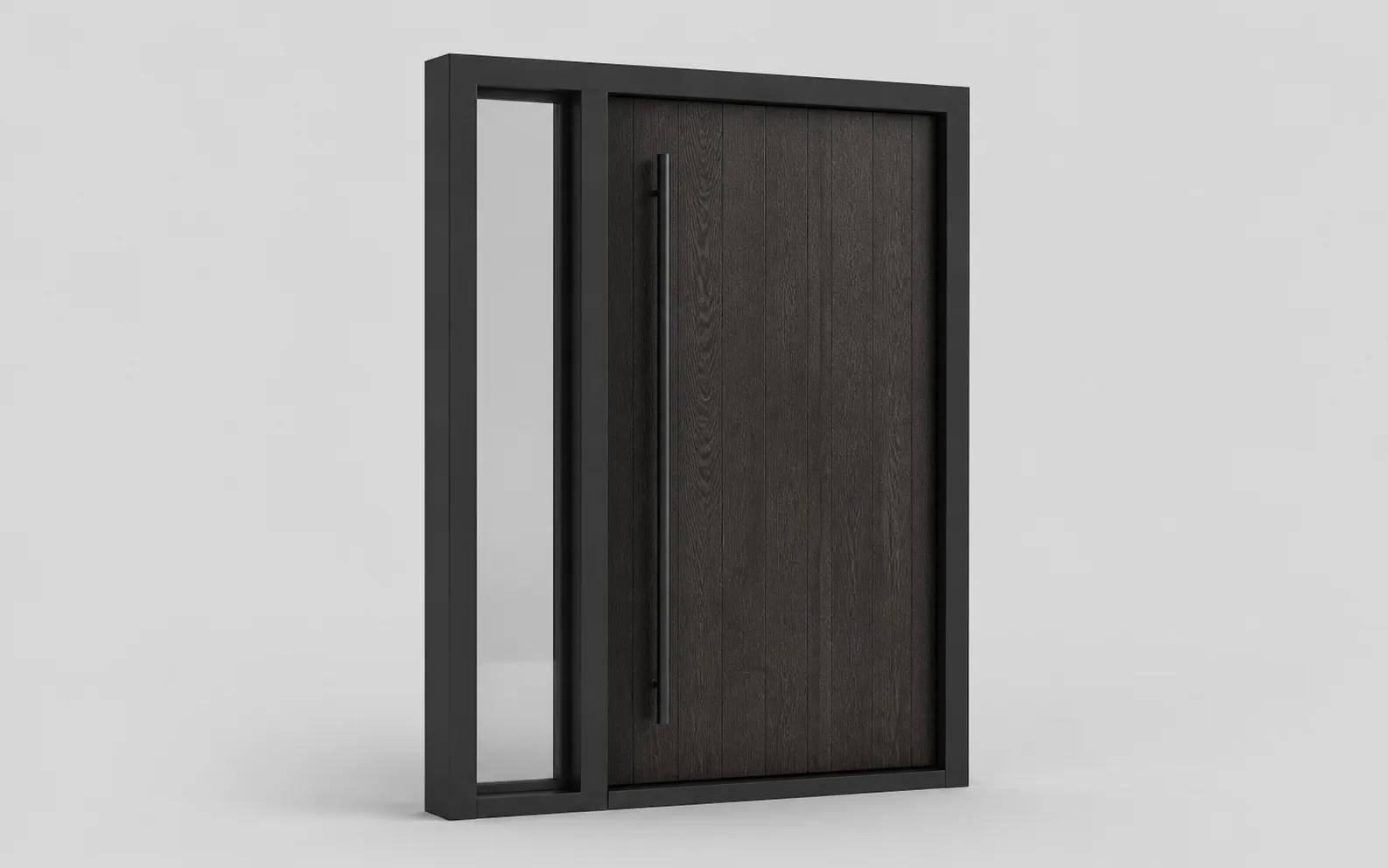
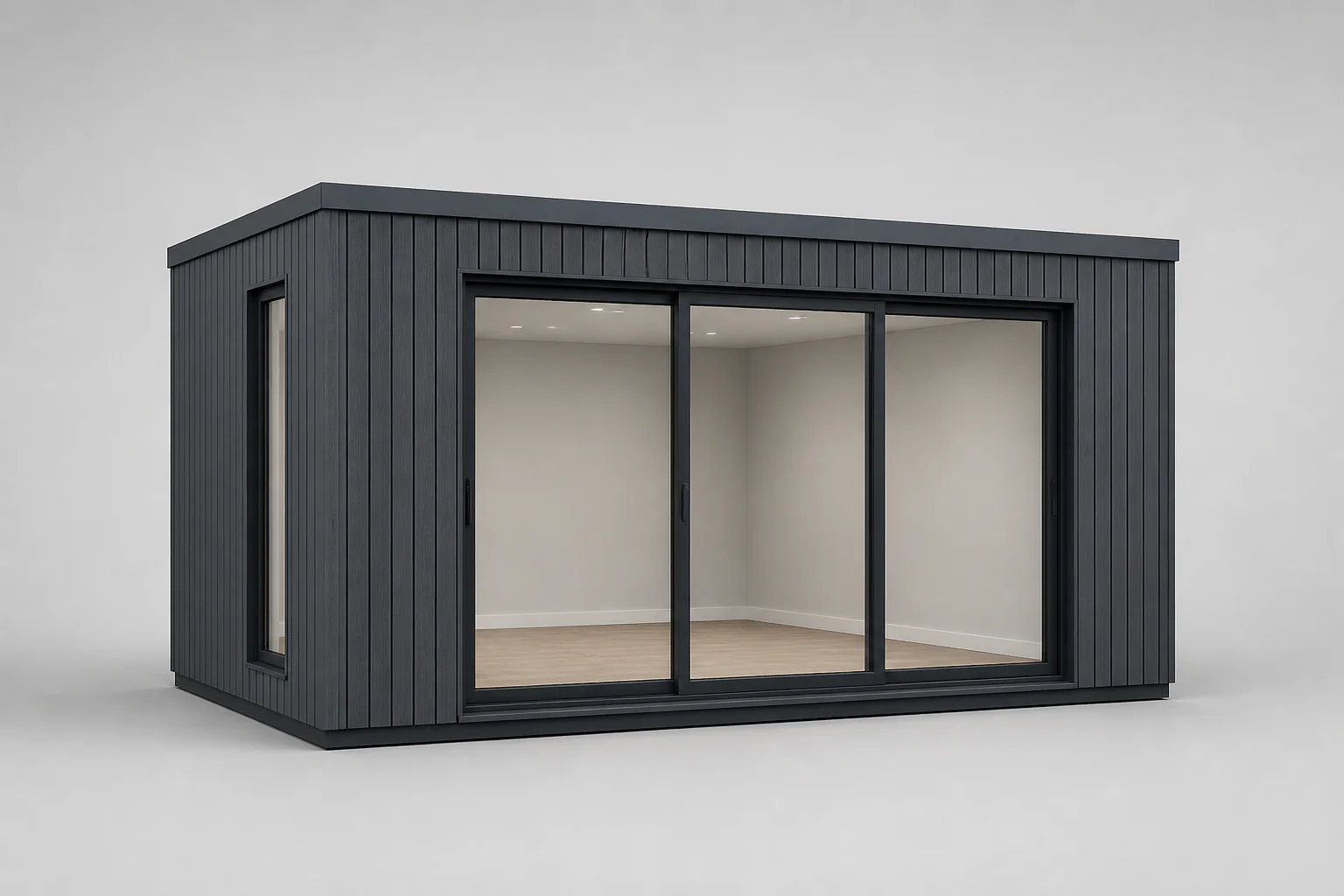
Interactief 3D
Verbind geometrie, componenten en materialen met de geselecteerde configuratie, zodat het zichtbare product en de gestructureerde specificatie samen veranderen.
Productconfiguratorsoftware · 3D-configuratorplatform
Bij Configurix zijn wij gespecialiseerd in complexe, configureerbare producten en maatwerk. Van deuren, pergola’s en keukens tot industriële machines: wij bouwen software rond uw catalogus, prijzen, verkoopproces en productie.
Nederland · EUR
Catalogus, valuta en documenten voor uw markt.
Het zichtbare product, de toegestane keuzes en het commerciële record delen één configuratie-ID.
Verbind geometrie, componenten en materialen met de geselecteerde configuratie, zodat het zichtbare product en de gestructureerde specificatie samen veranderen.
Definieer minima, maxima, afhankelijkheden, uitsluitingen, vereiste selecties en bekijk de voorwaarden zodat gebruikers naar toegestane productvarianten worden geleid.
Pas prijslijsten, formules, hoeveelheden, installatie, belasting, kortingsrechten en marktregels toe op dezelfde selecties die het product definiëren.
Zet een opgeslagen configuratie om in een offerte in uw huisstijl met het gekozen product, commerciële voorwaarden, beeldmateriaal en de volgende actie voor de klant.
Houd klantcontext, configuratie-ID, revisies, prijs, documenten en scoped order of operationele output verbonden na de eerste aanvraag.
Maatwerksoftware voor complexe producten
Wij zijn gespecialiseerd in complexe, configureerbare producten en maatwerkproducten. We bouwen configuratoren en bedrijfssoftware rond je catalogus, productregels en verkoop- en productieprocessen.
Sla het product, de afmetingen en opties bij iedere aanvraag op. Beoordeel de productmatch, projecteisen en koopbereidheid en wijs de opvolging aan de juiste verkoper toe.
Nieuwe aanvraag
Geconfigureerd product
ProductmatchGekwalificeerd
Geconfigureerd product
VereistenVoorstel
Geconfigureerd product
Volgende actieLaat een configuratie doorgaan naar verkoopadvies, technische beoordeling, inmeten of montage. Verbind agenda's, verantwoordelijken en herinneringen met hetzelfde klantdossier.
Koppel keuzes aan artikelcodes, materialen, aantallen en zaaglengtes. We definiëren de verkoop- of productiestuklijst, revisies en controles die jouw producten nodig hebben.
| Onderdeel | Aantal |
|---|---|
| FRM-01Frameconstructie | 1 |
| PNL-02Panelenset | 1 |
| KIT-03Beslagset | 1 |
Gekoppeld aan je productcodes
Gebruik je eigen formules, prijslijsten, marges en goedkeuringen. Maak offertes met de opgeslagen specificatie, productbeelden, voorwaarden en een duidelijke akkoordstap voor de klant.
Offerteversie
Zet geaccepteerde keuzes door naar orderregels en toegewezen taken. Houd productrevisies, goedkeuringen, documenten en leveringen bij dezelfde specificatie.
Verbind geaccepteerde orders met aanbetalingen, conceptfacturen en betalingsvoorwaarden. We spreken af welk systeem factureert en hoe referenties en bevestigde betalingen terugkomen bij het project.
Geconfigureerd product
Plaats de configurator op je website of in een verkoopportaal op maat. Koppel CRM, ERP, PIM, e-commerce, agenda's en boekhouding via beschikbare API's, webhooks of afgesproken imports. We bepalen gegevens, rechten en verantwoordelijkheden samen met je team.
Kies de processen voor jouw implementatie. We bouwen en controleren ze aan de hand van je producten, documenten en doelsystemen.
Plan je configuratorVoor wie het bedoeld is
Configurix kan worden aangepast aan het bedrijf dat eigenaar is van het product, de partner die het verkoopt en het team dat het inmeet, offertet of installeert.
Voor fabrikantenBepaal hoe een configureerbaar assortiment wordt weergegeven via directe verkoop, websites, showrooms en dealernetwerken. Productregels en goedgekeurde commerciële gegevens kunnen consistent blijven, terwijl de presentatie per doelgroep of markt verschilt.
Geef kanaalpartners een begeleide manier om geldige producten te selecteren, de juiste catalogus en prijslijst te gebruiken, klantprojecten op te slaan en de documenten op te vragen of te genereren die voor hun account zijn toegestaan.
Voeg visuele productconfiguratie toe aan een websitetraject zonder complexe producten terug te brengen tot een platte lijst met varianten. Klanten kunnen zinvolle keuzes verkennen en doorgaan met aankoop- of offerteaanvraagacties.
Leg de afmetingen, opties, context van de locatie en de beslissing van de klant vast die nodig zijn voor een project op maat, en ga vervolgens verder met inmeting, offerte, planning en overdracht van de installatie.
Configureerbare productcategorieën
De interface kan consistent aanvoelen, terwijl elke catalogus zijn eigen afmetingen, structuren, opties, prijzen en downstream-gegevens behoudt.
Samenhangende reis
De stappen kunnen verschijnen als selfservice, begeleide verkoop of een interne workflow. Het productrecord blijft herkenbaar als de verantwoordelijkheid van de ene persoon of het andere systeem overgaat.
Afmetingen, componenten, materialen en accessoires worden bijgewerkt binnen de toegestane regels. De gebruiker krijgt onmiddellijk feedback wanneer een andere selectie vereist, niet beschikbaar is of alleen kan worden beoordeeld.
Geometrie en materialen reageren op betekenisvolle configuratiegegevens. Desktop-, tablet- en mobiele trajecten kunnen de bedieningselementen op een andere manier presenteren, terwijl dezelfde productlogica behouden blijft.
De configuratie kan een zichtbare prijs, prijsklasse, dealerberekening of interne beoordeling aansturen. Prijsgedrag volgt de geïmplementeerde lijsten, formules, rechten en goedkeuringsregels.
Het geselecteerde product, de klantcontext, het beeldmateriaal en de berekening worden een herbruikbaar project. Een offerte in uw huisstijl of offerteaanvraag gaat verder vanaf dat record in plaats van dat de taak opnieuw wordt gestart.
Gedefinieerde velden kunnen doorgaan naar CRM, ERP, e-commerce, orderverwerking, planning of productie. Elke uitvoer wordt afzonderlijk van het visuele model beoordeeld en getest.
Implementatie
De eerste release moet een nuttige productomvang van selectie verbinden met het overeengekomen volgende systeem. Door elke catalogus toe te voegen voordat één volledig pad werkt, ontstaat diepte zonder bewijs.
Breng representatieve producten, edge cases, prijsinputs, documenten, gebruikers en downstream-systemen in kaart voordat u de eerste releasegrens kiest.
Vertaal cataloguskennis naar gestructureerde families, dimensies, componenten, afhankelijkheden en commerciële logica met benoemde eigenaren voor onopgeloste beslissingen.
Koppel de opgeslagen configuratie aan de overeengekomen klant, offerte, goedkeuring, CRM, ERP, bestelling of operationele overdracht in plaats van de 3D-weergave als een op zichzelf staande pagina te behandelen.
Test representatieve, minimale, maximale, incompatibele en commercieel gevoelige configuraties. Visuele nauwkeurigheid, prijsberekening en elke output krijgen afzonderlijk acceptatiebewijs.
De scope bepaalt welke productfamilies, rollen, documenten, integraties en outputs worden geïmplementeerd. Na beoordeling van een representatief product en de beschikbare informatie bevestigen we de planning en commerciële voorwaarden.
Veelgestelde vragen over productconfigurator
Neem één representatief product mee
Wij zijn gespecialiseerd in complexe producten. Ontdek een 3D-configurator en maatwerksoftware voor verkoop, dealers en fabriek: van productkeuzes en offertes tot CRM, stuklijsten en orders.